Au-some Mom Embroidery Design Review
As a designer who spends half the day troubleshooting thread jams and the other half trying to make digital assets look like tangible, high-quality goods, I approach every new file with a healthy dose of skepticism. We have all been there: you buy a cute design because the preview looks perfect, only to find out it is a nightmare to stitch or looks muddy on actual fabric. That is why I took Autism Quote Design, Au-some Mom for a real-world spin. This isn't just about looking at a vector on a screen; it is about understanding how this machine embroidery design translates into a physical handmade product that a customer will hold, wear, and cherish.
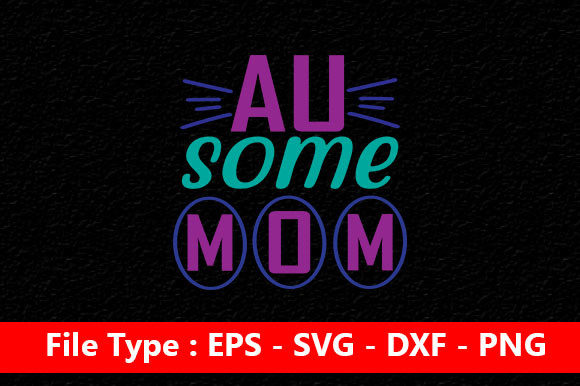
The core concept here is simple but powerful: "Au-some." It is a pun that works because it is heartfelt without being overly sentimental in a cliché way. For any Etsy seller or small shop product owner targeting the neurodiversity community, this kind of subtle, clever wordplay often outsloads generic text-heavy designs. It feels modern, supportive, and stylish. But does it stitch well? Let us break down the practical realities of using this embroidery file in your next project.
First Impressions and Visual Personality
When I first loaded the files—EPS, SVG, PNG, and DXF included in the zip—I was immediately struck by the clean lines. The typography in Autism Quote Design, Au-some Mom appears to be designed with cut-ability in mind, which is a huge plus. If you are using a Cricut or Silhouette for vinyl decals or applique, the paths are likely crisp. However, my primary focus as an embroiderer is how those letters translate into stitches.
The mood of this design is warm and celebratory. It avoids the cluttered aesthetic of some busy graphic designs. In a market flooded with complex scenes, sometimes the most effective design assets are the ones that rely on strong lettering and a single, clear message. This design fits perfectly into the "minimalist but meaningful" trend that is dominating craft business spaces right now. It feels professional, not amateurish, which is crucial when you are trying to build trust with buyers who are paying premium prices for personalized gifts.
Real-Life Application: The Custom Tote Bag Scenario
To truly test this digital embroidery file, I imagined placing it on a common bestseller: a canvas tote bag. Why a tote? Because it is a staple for custom apparel and accessory shops. When I visualized stitching Autism Quote Design, Au-some Mom onto a natural canvas or a soft cotton blend, the contrast potential stood out. The design likely relies on solid fills or bold outlines, which tend to pop beautifully against textured fabrics.
However, placement matters. On a large tote, you have room to breathe. You can use a larger hoop size, which generally allows for better stitch definition and less puckering. If I were designing a personalized gift for a mother of a child with autism, I would place this center-chest or centered on the front panel of the bag. The phrase "Au-some" serves as a badge of pride. It is something a parent might wear or carry with genuine joy. This emotional connection is what drives sales in the holiday embroidery season and beyond. A buyer scrolling through Etsy wants to feel that this item understands their life. This design delivers that sentiment efficiently.
Performance on Different Fabrics and Garments
Not all projects are created equal. While the tote bag is a safe bet, let us talk about where this embroidery project shines and where it might struggle. For sweatshirt embroidery, this design is a strong candidate. The heavier fabric provides stability, allowing the stitch density to sit nicely on top rather than sinking in. If the design uses a mix of satin stitch for outlines and fill stitch for background elements (if applicable), it will render with a plush, high-end look.
For baby embroidery, such as on muslin burp cloths or tiny hoodies, caution is required. Baby items need to be soft. If the design has dense areas, it might become too stiff for a newborn’s sensitive skin. In this case, I would recommend testing the design on scrap fabric first to check the hand-feel. If the design is primarily line work or light fill, it could work beautifully for nursery decor or small accessories like bibs.
Conversely, avoid using this on highly textured fabrics like chunky knits or bouclé unless you are an advanced user. The needle may struggle to penetrate, or the design details may get lost in the weave. Similarly, on stretchy fabrics like thin jersey tees, you must use a proper stabilizer to prevent distortion. The Autism Quote Design, Au-some Mom layout should be stable enough to handle standard stabilization, but always remember that thin fabric requires extra care.
Where to Use With Caution
There are specific scenarios where this graphics asset needs careful handling:
- Small Hoop Sizes: If you attempt to stitch this in a 4x4 hoop, ensure the lettering is large enough to remain legible. Tiny text in embroidery often becomes unreadable blobs. If the original vector is small, scale it up in your software before digitizing or stitching.
- Curved Surfaces: Applying this to a cap or hat requires a curved hoop attachment. While the design itself is flat, the application on a curve can distort straight lines. Test the tension carefully.
- Dense Stitch Areas: If the design includes heavy fill patterns, be mindful of thread colors. Dark threads on dark fabric can disappear, while light threads on light fabric might lack contrast. Always inspect small details in black and white mockups to ensure visibility.
- Frequent Washing: For items like aprons or kitchen towels that see heavy use, ensure the design is anchored well. Loose ends or poor underlay can lead to premature wear.
Technical Notes for the Smart Designer
Before you rush to list this as a commercial embroidery item, there are technical steps you must take. First, confirm the licensing terms. The product description mentions it can be used for scrapbooking, cut machines, and vinyl decals, but commercial rights for finished embroidered goods vary by creator. Never assume you can sell unlimited quantities without checking the specific license agreement.
Second, always test the stitch density. Even if the file claims to be optimized, different machines have different tolerances. Run a test on the exact fabric you plan to sell. Check for puckering, thread breaks, and coverage. Does the satin stitch lay flat? Are there any gaps in the fill stitch? These details separate a hobbyist from a pro.
Finally, consider the versatility of the formats. Having SVG and EPS files means you can also offer this as a printable mockup or a vinyl decal option. This multi-format capability increases the value of the asset. You can market it to both embroiderers and crafters who use cutting machines, effectively doubling your potential audience in the craft business space.
Final Verdict
Autism Quote Design, Au-some Mom is a solid, emotionally resonant addition to any designer’s library. It is not overly complex, which makes it reliable for quick turnaround orders. It appeals to a niche market that values authenticity and support. Whether you are creating a personalized gift for a friend or building a brand around neurodiversity awareness, this design offers a clean, professional foundation. Just remember to respect the fabric, check your licenses, and always prioritize stitch quality over speed. When done right, this little pun can turn into a big hit for your small shop product lineup.